

Searching for medicines and unfamiliar tablets online can produce confusing results.
People may encounter brand names, manufacturer names, chemical names, abbreviations, logos and informal terminology.
Understanding these differences can help readers evaluate information more carefully.
Most importantly, an internet search should never replace professional identification or medical advice.
Brand Names, Generic Names and Manufacturer Names
Medicines can have several names depending on their manufacturer, location and formulation.
For example, searches for Galenika Bensedin, Bensedin 10mg, and Galenika diazepam may refer to related terminology.
However, similar names do not automatically prove that two products are identical.
Packaging, formulation, strength and regulatory status can vary between products.
Therefore, readers should rely on official packaging and qualified healthcare professionals when identifying prescription medicines.
This approach is particularly important when a medicine affects the nervous system or can cause significant side effects.
Online marketplaces and unofficial websites may also use pharmaceutical terminology inaccurately.
Why Pill Names and Logos Can Be Misleading
Searches for Fendi XTC, Fendi MDMA, NASA Rocket 2CB, and Andrew Tate XTC demonstrate how informal pill terminology develops.
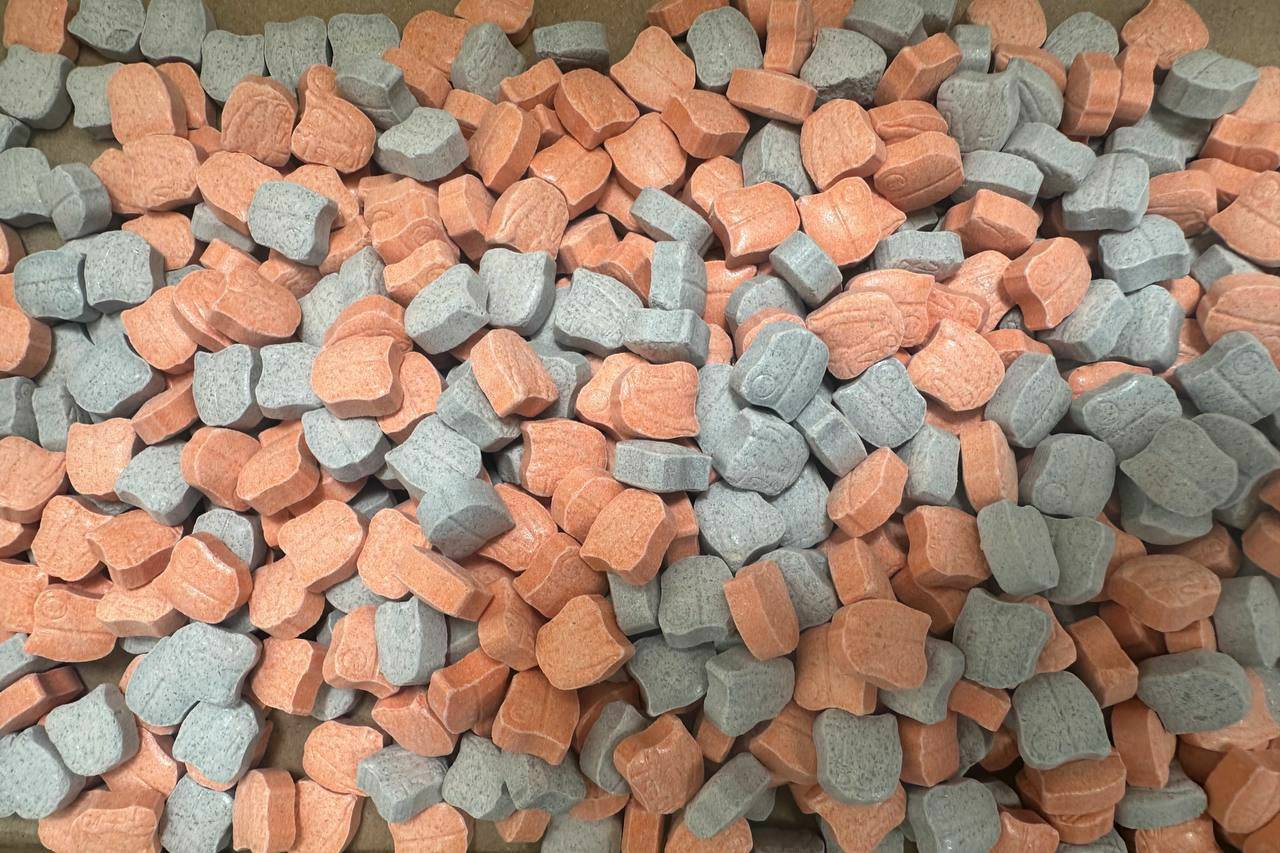
Such names may describe a logo, colour, shape or nickname rather than verified chemical contents.
Two tablets with the same appearance can potentially contain different substances.
Similarly, different tablets can sometimes be sold using the same informal name.
For that reason, visual identification alone should never be treated as reliable confirmation of a tablet’s contents.
This principle also applies to searches involving terms such as Ksalol or other medication and drug names.
Readers should distinguish between information describing terminology and evidence confirming the identity of an actual medicine.
Finding Reliable Medication Information
When researching a medicine, start with reliable sources rather than anonymous listings.
Check the official packaging, patient information leaflet, pharmacist or prescribing healthcare professional.
Look for important information such as the active ingredient, strength, manufacturer and approved indication.
If information from different websites conflicts, avoid assuming that the most prominent search result is automatically correct.
For unfamiliar tablets, professional identification is safer than relying on photographs or internet descriptions.
If someone has taken an unknown substance and develops severe symptoms, seek emergency medical assistance.
Final Thoughts
Understanding pharmaceutical terminology can make online health research considerably easier.
However, names such as Galenika Bensedin, Bensedin 10mg, Fendi XTC, and 2CB NASA Rocket should be interpreted carefully.
A search term does not establish the identity, contents or safety of a physical tablet.
Reliable sources, qualified healthcare professionals and official medicine information remain the safest foundation for medication-related decisions